

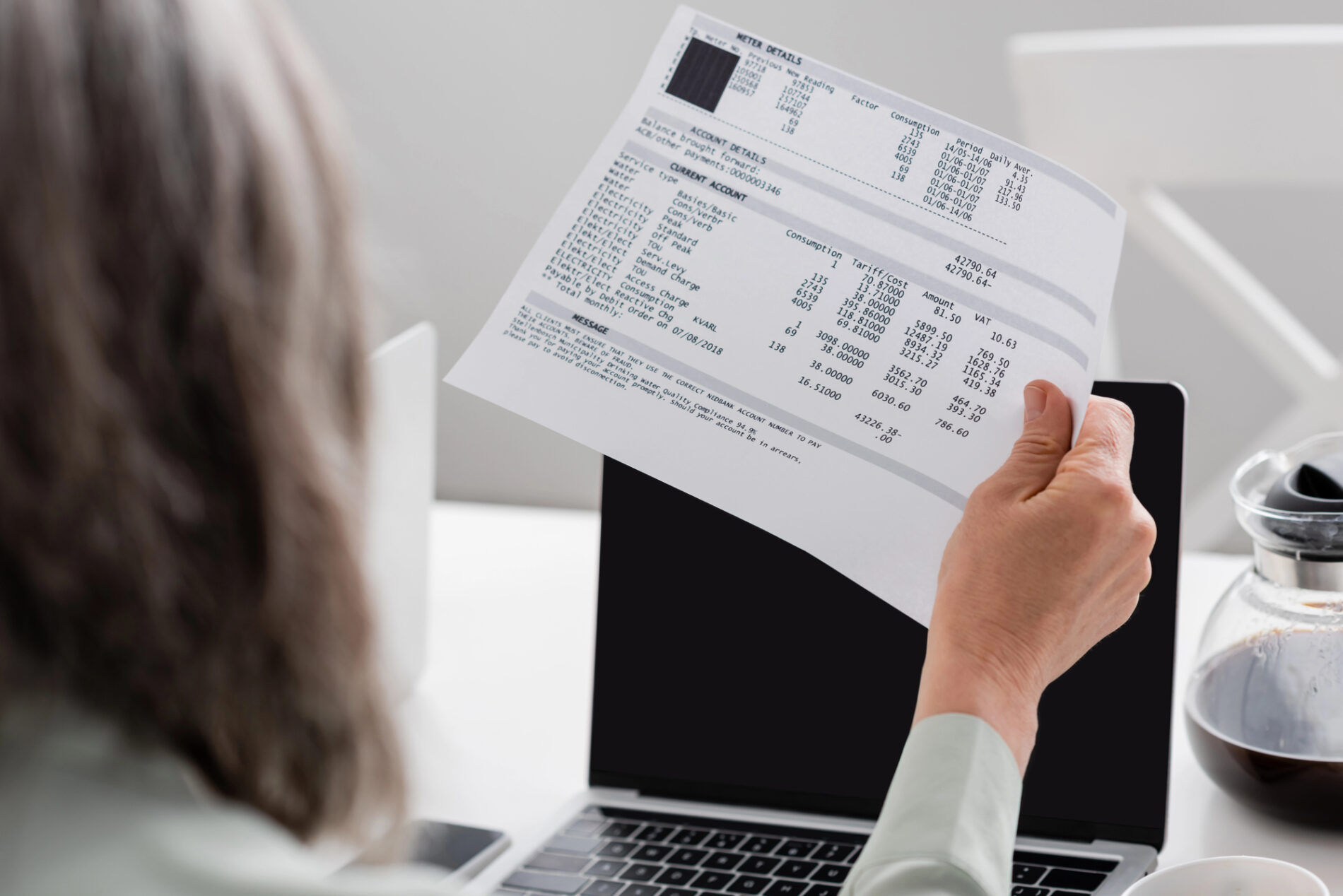
Managing money can become difficult when everyday expenses, household responsibilities, and future plans all compete for the same income. Many people earn a regular salary but still find it challenging to save money or prepare for unexpected expenses. Often, the problem is not how much they earn but how they manage what they already have.

Good financial habits can make a difference over time. Understanding where your money goes, controlling unnecessary spending, and setting realistic savings goals can help you feel more confident about your financial decisions. A few practical tips for personal finance can also help you develop a better approach to managing everyday expenses and preparing for the future.
The goal is not to stop enjoying your money. It is to make sure your spending supports the things that matter most to you.
Understand Your Income and Monthly Expenses
The first step toward better money management is knowing exactly how much money comes in and where it goes.
Start by calculating your monthly income after taxes and other deductions. If you earn money from more than one source, include your regular additional income as well. Once you have this figure, make a list of your monthly expenses.
Housing, groceries, transportation, insurance, utilities, and loan payments are usually among the main household costs. You should also include smaller expenses such as subscriptions, takeaway meals, shopping, and entertainment.
These smaller purchases may not seem expensive individually, but they can take up a noticeable portion of your income over time.
Reviewing bank statements and recent transactions can help you identify spending habits that you might otherwise overlook. Once you understand your regular expenses, it becomes easier to decide how much money you can comfortably save or use for other priorities.
Create a Budget That Works for Your Lifestyle
A budget helps you organize your income and make decisions before your money is spent. However, it should be realistic and flexible enough to accommodate your normal lifestyle.
One simple approach is to divide expenses into essential spending, savings, debt payments, and personal purchases.
For example, you might begin by setting aside money for rent, utilities, groceries, and transportation. Then decide how much you can contribute toward savings and outstanding debts. The remaining amount can be used for entertainment, shopping, and other personal expenses.
Some people prefer using the 50/30/20 budgeting method, which divides after-tax income into needs, wants, and savings or debt repayment. However, these percentages are only a starting point. Someone living in an expensive area may need to spend more on housing, while another person may need to prioritize debt repayment.
The best budget is one that reflects your actual circumstances and helps you stay in control of your spending.
Make Saving Money Part of Your Routine
Saving becomes easier when it is treated as a regular financial responsibility rather than something you do only when extra money is available.
Consider moving a portion of your income into a savings account shortly after receiving your paycheck. This reduces the temptation to spend money that you originally intended to save.
You do not need to begin with a large amount. Even small, consistent contributions can build a useful financial cushion over time.
For example, saving $75 every week would add up to $3,900 over a year, excluding any interest earned. The amount you choose should depend on your income and essential expenses.
It can also help to give your savings a clear purpose. You might be saving for a future purchase, education, home improvements, or retirement. Having a specific goal makes it easier to stay motivated and measure your progress.
Build an Emergency Fund Before Unexpected Costs Appear
Unexpected expenses are a normal part of life. A car repair, urgent home maintenance, or temporary loss of income can create financial pressure when there is no money available to cover the cost.
An emergency fund can help you handle these situations without relying entirely on credit cards or personal loans.
Start with a smaller target that feels achievable. Once you have saved enough to cover a basic unexpected expense, gradually work toward a larger reserve based on your essential monthly costs.
Many financial planning approaches recommend building an emergency fund that can cover three to six months of essential living expenses. However, the right amount depends on your job security, household responsibilities, and access to other financial support.
Keep emergency savings separate from the account you use for everyday purchases. This makes it easier to avoid spending the money on nonessential items.
Manage Debt and Avoid Unnecessary Borrowing
Debt can make it harder to achieve financial goals when monthly repayments and interest charges consume a large part of your income.
Start by listing all your outstanding debts, including credit cards, personal loans, and other borrowing. Record the balance, interest rate, minimum payment, and due date for each one.
This gives you a clearer picture of your financial obligations.
Two common repayment strategies can help you organize your payments. The debt avalanche method focuses on paying off the debt with the highest interest rate first. The debt snowball method starts with the smallest balance, allowing you to clear individual debts sooner and build motivation.
Both methods can be useful, depending on your financial situation and personal preferences.
It is also important to avoid borrowing money for purchases that are not necessary. Before using a credit card or taking out a loan, consider whether the repayment will fit comfortably into your monthly budget.
If you already have difficulty making payments, contact your lender to discuss possible arrangements rather than allowing missed payments to accumulate.
Control Everyday Spending Without Making Life Difficult
Improving your finances does not mean giving up every activity you enjoy. In fact, a budget that is too restrictive can become difficult to follow.
A better approach is to look for expenses that can be reduced without affecting your quality of life.
For example, review your monthly subscriptions and cancel services you rarely use. Compare mobile phone and internet plans to see whether a less expensive option meets your needs. You can also reduce unnecessary takeaway orders by preparing more meals at home.
Grocery shopping is another area where small changes can make a difference. Planning meals before visiting the supermarket, comparing prices, and making use of ingredients already in your kitchen can help prevent waste.
Readers interested in everyday household spending can also explore the Money & Finances category for additional ideas about managing expenses and making thoughtful purchasing decisions.
The important thing is to understand which purchases genuinely improve your daily life and which ones simply increase your monthly expenses.
Set Financial Goals for the Future
Managing current expenses is important, but personal finance should also involve preparing for future needs.
Think about what you want your financial situation to look like in the next year, five years, or even ten years. Your goals might include paying off debt, buying a home, supporting your family, or building retirement savings.
Once you identify your priorities, divide larger goals into smaller steps.
For example, if you want to save $6,000 over two years, you would need to put aside approximately $250 each month. Breaking the target into manageable contributions makes it easier to track your progress.
It is also worth reviewing your goals when your circumstances change. A new job, a change in household income, or additional family responsibilities may require you to adjust your savings and spending plans.
Taking time to organize these priorities is an important part of long-term financial planning. A clear plan can help you decide how to use your income today while keeping future responsibilities in mind.
Review Your Financial Progress Regularly
A financial plan should not remain unchanged for years. Your income, expenses, and personal responsibilities can change, so it is important to review your progress regularly.
Set aside some time at the end of each month to check your spending and savings. Compare your actual expenses with your budget and identify any areas where you spent more than expected.
If you consistently exceed your grocery allowance or entertainment budget, consider whether your original estimates were realistic. You may need to adjust your spending limits or change certain habits.
You can use a simple spreadsheet, notebook, or budgeting application to keep track of your finances. The method does not matter as much as maintaining the habit.
Regular reviews also help you recognize progress. Paying down a loan, building your savings, or avoiding unnecessary purchases are all positive steps, even if your overall financial goals take several years to achieve.
Final Thoughts
Good personal finance habits are built through everyday decisions rather than one major change. Understanding your expenses, following a realistic budget, saving consistently, and managing debt can help you develop greater control over your money.
Everyone has different financial responsibilities, so there is no single approach that works for every household. What matters is finding a system that fits your income, supports your priorities, and remains manageable over time.
Start with a few practical changes and give yourself time to develop better habits. As your financial situation improves, you can gradually work toward larger goals and create a more secure financial future.
Invest Daily Times
Email: investdailytimes@gmail.com





What do you think?