

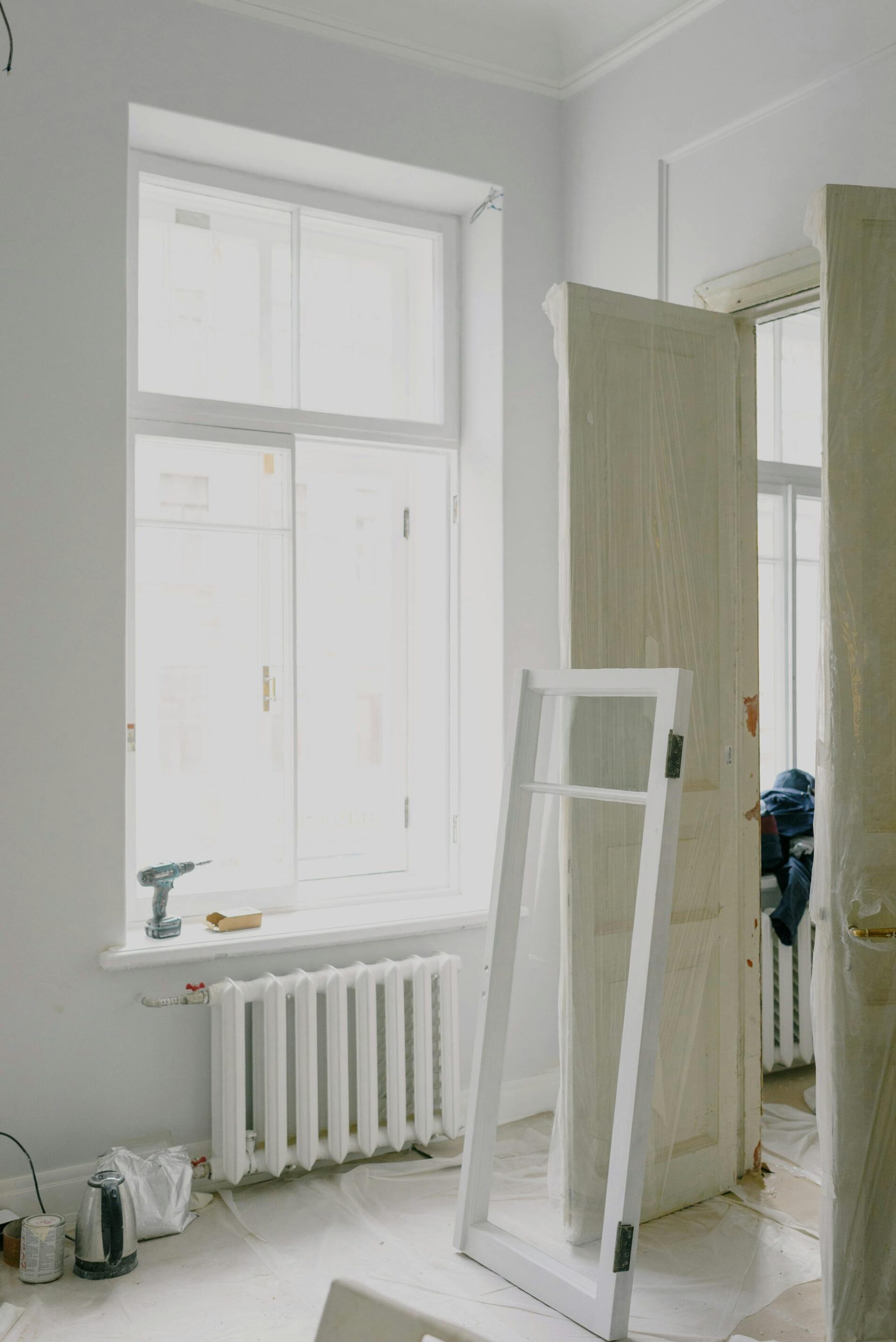
Most renovation waste is not created by bad intentions. It usually comes from perfectly reasonable decisions made along the way. Ordering extra flooring because running short would be a headache. Replacing kitchen units because everything is already being taken apart. Buying materials early to avoid delays later. Each choice makes sense in the moment. After then, the job is completed. The shed has three unopened tile boxes. A pile of wood resting on the fence. Paint that was bought for a space but turned out to be a different colour. A skip consisting of items that were no longer needed but still functional.
This was considered for a long time as a necessary component of house renovation. However, homeowners are increasingly approaching projects in a new way. That change has undoubtedly been prompted by rising expenses, but so has a growing appreciation for long-lasting products, sensible design, and high-quality materials.
Sometimes the Best Part of the House Is Already There
Renovations often begin with a list of things to remove. Old flooring. Old doors. Old cabinets. The word “old” does a lot of work in those decisions.
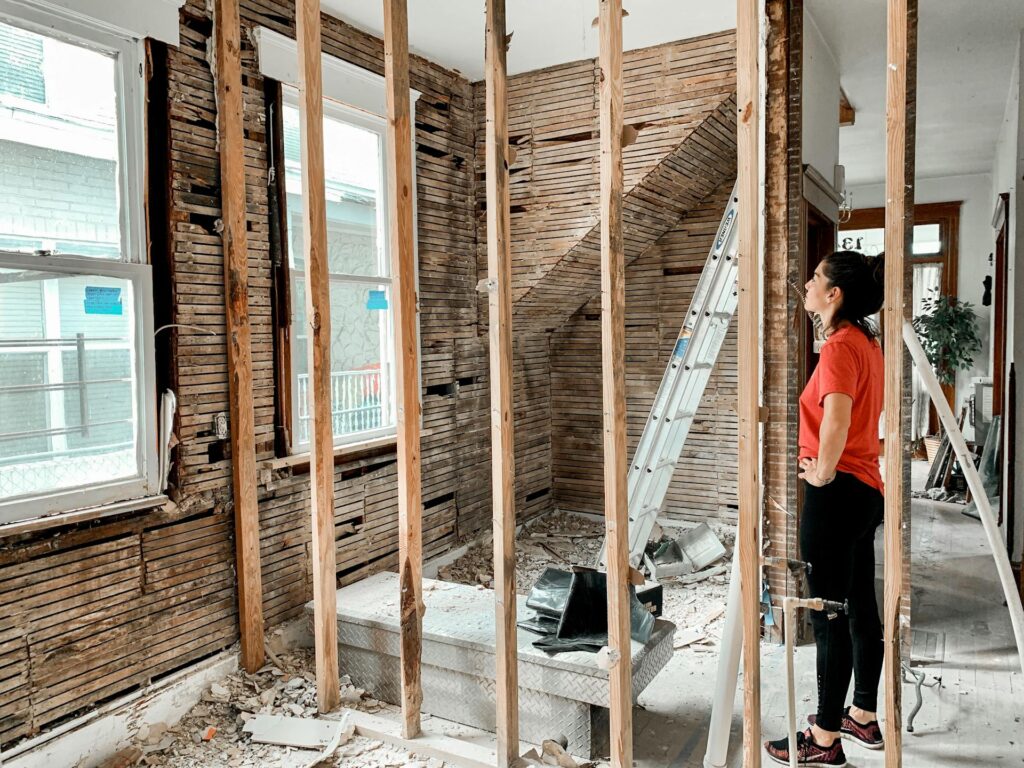
A kitchen installed fifteen years ago may feel dated, but that does not mean it is worn out. Floorboards hidden beneath carpet can still be solid. Built-in shelving might only need sanding and paint. Even fireplaces that were covered up decades ago are now being restored and treated as standout features rather than eyesores.
There is something interesting happening in many older homes across the UK. Features that previous owners removed without much thought are now the same features buyers hope to find. Original timber, period details, traditional brickwork, and handcrafted joinery have become desirable again.
Sometimes improvement comes from revealing what is already there rather than replacing it.
The Most Useful Upgrade Rarely Makes the Before-and-After Photos
Everyone notices a new kitchen. Nobody notices insulation. That may be why energy-efficiency upgrades are often pushed down the priority list. They are hidden behind walls, under floors, or above ceilings. They do not transform the appearance of a room. What they do change is daily life.
A room that no longer feels cold near the window. A house that stays warmer during winter evenings. Lower energy consumption without constantly adjusting the thermostat. These improvements are not particularly exciting on installation day, but they continue delivering value long after decorative changes stop feeling new.
According to UK Government guidance, insulation remains one of the most effective ways to improve a home’s energy efficiency. Not every worthwhile renovation is visible.
Trends Are Temporary. Building Materials Shouldn’t Be
A quick look through old home magazines can be quite revealing. Colours that once appeared everywhere now look tied to a specific decade. The same applies to flooring styles, kitchen finishes, tiles, and fittings. Trends come and go. They always have. The difference today is speed.
Social media continuously presents new styles, giving the notion that homes must be updated frequently to remain current. The majority of homes are actually supposed to survive for decades. Every time tastes shift, important components must be renovated, which results in waste and unnecessary expenditure.
Many successful renovations take the opposite approach. They focus on durable materials and simple foundations while allowing smaller decorative details to evolve naturally over time. A lamp can be replaced easily. A kitchen rarely can.
Waste Often Begins Before Construction Starts
When people think about renovation waste, they tend to imagine broken bricks and construction debris. The reality isn’t only that. An inaccurate measurement. Duplicate orders. Materials purchased before plans are finalised. Flooring ordered “just in case” and never opened. Paint colours selected too quickly and changed later. None of these situations are unusual. Most builders have seen them countless times.
What makes them significant is quantity. One extra purchase is rarely a problem. A dozen unnecessary purchases spread across an entire project can create substantial waste and unnecessary cost.
Careful planning may not be the most enjoyable stage of a renovation, but it is often the stage that saves the most money.
Good Contractors Solve Problems Most People Never See
Every renovation contains surprises. A pipe appears where nobody expected it. Materials arrive later than planned. Weather delays exterior work. Access becomes more complicated than originally thought.
Experienced contractors are valuable because they know how to respond when these situations occur. They understand sequencing, scheduling, material requirements, and site organisation. Small adjustments made early can prevent larger problems later.
Exterior projects are a good example. Roof repairs, chimney maintenance, rendering, solar panel installation, and upper-level decorating all require safe access. Many homeowners undertaking this type of work rely on services such as Aylesbury scaffolding to provide stable access and keep projects moving safely and efficiently.
The best project management is often invisible. Its impact is felt when things continue running smoothly despite unexpected complications.
Useful Materials Do Not Automatically Become Waste
Leftover supplies from one homeowner may be just what another person needs. New landscape projects sometimes incorporate old pavement slabs. Garages and workshops repurpose kitchen units. Instead of being thrown away, doors, radiators, wood, and lighting fixtures are usually sold, given, or put to other uses.
With the rising cost of building materials, this strategy has grown more widespread. Reclaimed goods are no longer only thought of as low-cost substitutes. Because of their character, quality, or environmental advantages, many people deliberately seek them out.
Conclusion
Big or dramatic gestures are rarely the focus of sustainable renovations. More often than not, it boils down to taking your time making a few judgements and asking straightforward questions as you go. Does this really need replacing? Can this material last longer? Is there another use for it? Has enough planning been done before ordering?
The solutions aren’t always clear-cut. However, those little choices can have a considerably greater influence on a renovation’s overall effect than any one product or design trend could.







What do you think?