

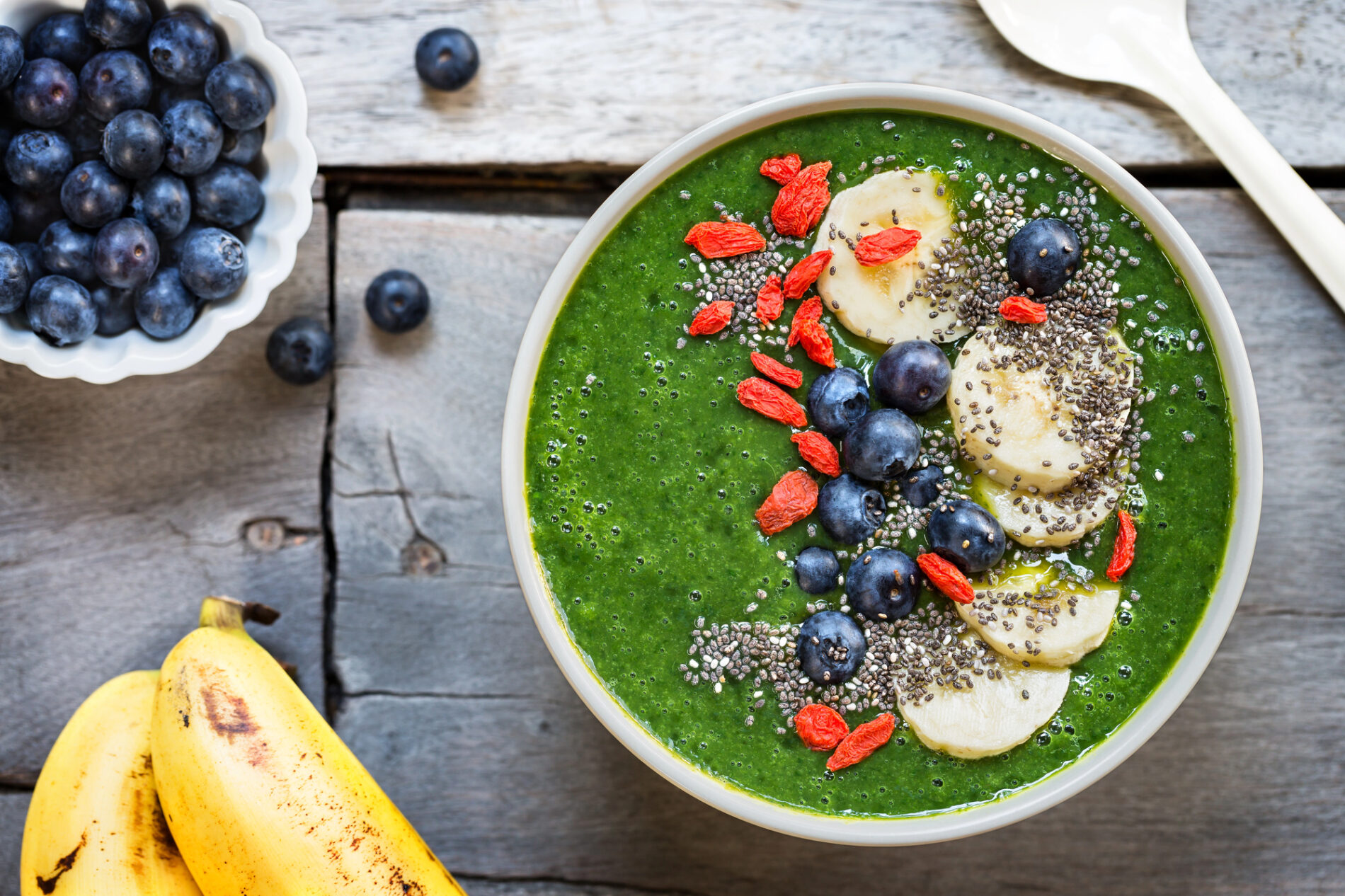
A protein-rich breakfast helps you begin the day with steady energy and better appetite control. After several hours without food, your body benefits from nutrients that support muscle maintenance and better concentration. Many people assume that high-protein breakfasts require meat, but vegetarian foods can provide plenty of protein sources. Foods such as Greek yogurt, tofu, legumes, nuts, seeds, and dairy products make it easy to create filling breakfasts that support your nutritional needs throughout the morning.
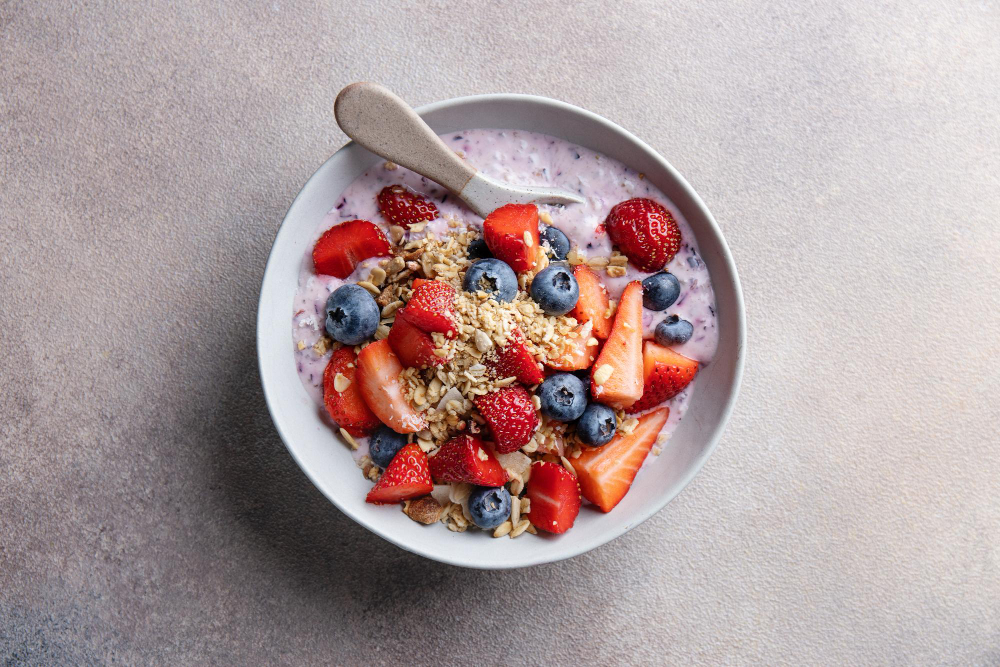
Photo by valeria_aksakova on Magnific
Why Protein Deserves a Place at Breakfast
Protein supports many essential functions in the body. It contributes to muscle repair, hormone production, immune function, and tissue maintenance. Including protein at breakfast can also help you stay full for longer, reducing the urge to snack shortly after eating.
Many common breakfast foods rely heavily on refined carbohydrates. Toast, pastries, and sugary cereals may provide quick energy, but they are often digested rapidly. As a result, hunger can return well before lunchtime. Adding protein to your morning meal slows digestion and helps maintain more consistent energy levels throughout the day. For vegetarians, choosing high-protein vegetarian meals at breakfast can make it easier to meet daily protein needs while supporting fullness and steady energy throughout the morning.
Greek Yogurt Bowls with Nuts and Seeds
Greek yogurt is one of the most practical high-protein breakfast foods available to vegetarians. It contains considerably more protein than traditional yogurt while providing calcium and beneficial bacteria that support digestive health. Choosing plain varieties allows you to control sweetness and avoid unnecessary added sugars.
A well-balanced yogurt bowl combines protein, healthy fats, fiber, and naturally sweet ingredients. Try adding almonds, walnuts, pumpkin seeds, chia seeds, or hemp hearts alongside fresh berries or sliced fruit. This combination creates a satisfying breakfast with a substantial protein content while providing nutrients that support heart health and digestion. The variety of textures also makes the meal more enjoyable and filling.
High-Protein Oatmeal That Keeps You Full
Oatmeal remains a popular breakfast choice because it is affordable, versatile, and rich in fiber. Although oats contain some protein naturally, the amount can be increased significantly with a few simple additions. This turns a basic bowl of oatmeal into a meal that keeps you satisfied for much longer.
Cooking oats in soy milk instead of water is an easy way to add extra protein. Chia seeds, hemp seeds, ground flaxseed, nut butters, and Greek yogurt can further increase the protein content while improving texture and flavor. Fresh fruit and chopped nuts add nutrients and natural sweetness. Together, these ingredients create a balanced breakfast that supports sustained energy and helps prevent mid-morning hunger.
Tofu Scrambles for a Savory Breakfast
If you prefer savory breakfasts, tofu scramble is one of the best vegetarian options available. Firm tofu contains high-quality plant protein and absorbs flavors exceptionally well, making it suitable for a wide variety of seasonings and vegetables.
A basic tofu scramble can include onions, garlic, turmeric, black pepper, and nutritional yeast for added flavor. Vegetables such as spinach, mushrooms, tomatoes, bell peppers, and kale contribute fiber, vitamins, and minerals. Serving the scramble with whole-grain toast or roasted potatoes creates a complete meal that delivers protein, complex carbohydrates, and plenty of nutrients without requiring complicated preparation.
Protein-Packed Smoothies
Smoothies offer a convenient breakfast solution when time is limited. However, a smoothie made primarily from fruit may not provide enough protein to keep you full for very long. A balanced smoothie includes ingredients that contribute meaningful amounts of protein alongside fruits and vegetables.
Soy milk, Greek yogurt, silken tofu, nut butter, hemp seeds, and chia seeds all work well in breakfast smoothies. Berries, bananas, and mangoes provide natural sweetness, while leafy greens add extra nutrients. Blending these ingredients together creates a breakfast that is easy to prepare, easy to transport, and capable of supporting satiety throughout the morning.
Cottage Cheese for a Simple High-Protein Breakfast
Cottage cheese is often overlooked despite its impressive nutritional profile. It provides a large amount of protein per serving and works well in both sweet and savory breakfast recipes. Its mild flavor allows it to pair with many different ingredients.
For a sweeter breakfast, combine cottage cheese with berries, sliced peaches, cinnamon, and chopped nuts. If you prefer savory flavors, serve it alongside tomatoes, cucumbers, avocado, and whole-grain toast. The high protein content helps support fullness, while the calcium content contributes to bone health. Because cottage cheese requires very little preparation, it also works well on busy mornings.
Breakfast Sandwiches and Wraps with More Staying Power
A vegetarian breakfast sandwich or wrap can provide a substantial amount of protein when built around the right ingredients. Whole-grain breads and tortillas supply fiber and complex carbohydrates, while protein-rich fillings create a more satisfying meal.
Eggs, tofu, tempeh, hummus, cottage cheese, beans, and cheese all make excellent fillings. Fresh vegetables such as spinach, tomatoes, peppers, and onions add texture and nutritional value. Preparing sandwiches or wraps in advance can simplify busy mornings while ensuring you have access to a balanced breakfast that supports energy and satiety.
Legumes at Breakfast
Beans and lentils deserve more attention at breakfast. These foods provide protein, fiber, iron, and complex carbohydrates, making them a valuable part of a vegetarian eating pattern. They are filling, nutritious, and easy to incorporate into a variety of morning meals.
Black bean breakfast burritos, lentil patties, and chickpea-based recipes are excellent choices. Chickpea flour can also be used to make savory pancakes or omelet-style dishes that contain considerably more protein than many traditional breakfast options. These meals provide lasting fullness and contribute a wide range of essential nutrients that support overall health.
Easy Ways to Increase Protein at Breakfast
Increasing protein intake does not require a complete change to your breakfast routine. A few small adjustments can make a noticeable difference.
Some practical options include:
- Add chia seeds or hemp seeds to yogurt and oatmeal.
- Choose Greek yogurt instead of regular yogurt.
- Prepare oatmeal with soy milk.
- Spread nut butter on toast or add it to smoothies.
- Include cottage cheese as a side dish or topping.
- Use tofu in savory breakfast recipes.
- Add beans to wraps, burritos, and breakfast bowls.
These simple changes can help increase protein intake without adding significant preparation time.
Conclusion
A well-planned vegetarian breakfast can provide plenty of protein while delivering fiber, vitamins, minerals, and healthy fats. Foods such as Greek yogurt, tofu, legumes, cottage cheese, nuts, and seeds make it easy to create satisfying meals that support fullness and consistent energy levels. By combining several of these ingredients in your morning routine, you can enjoy a breakfast that helps you stay focused, satisfied, and energized throughout the day.


Amber Myers
June 3, 2026Mmmm, this sounds tasty. I admit, I rarely eat breakfast. I usually have my lunch around 11, so it works out. I do love a good yogurt parfait.
Tara Pittman
June 3, 2026Most days, I drink a plant-based protein smoothie. The protein oatmeal is one that I enjoy on the weekends.
Sharla
June 4, 2026These ideas are just in time! I’m looking for easy ways to increase my protein intake.
LisaLisa
June 4, 2026What a great idea! I think many people assume it’s difficult to get enough protein on a vegetarian diet, but these breakfast options prove otherwise. The Greek yogurt bowls and protein-packed smoothies sound especially delicious. Thanks for sharing some healthy inspiration for starting the day off right!