


Some home purchases age well. Others don’t. A statement light fixture that felt perfect five years ago can suddenly look dated. The trendy feature everyone seemed to want ends up being something nobody talks about anymore. Even expensive renovations can lose their appeal surprisingly quickly. Yet there are certain upgrades that rarely end up on anybody’s regret list.
They’re not always the most visible improvements. In fact, some of them are barely noticeable at all. What makes them different is that they solve everyday problems. A room that’s always too cold. A house that leaks heat. Energy costs that appear to be rising annually. Little frustrations and disappointments that don’t seem big on their own but become tiresome when repeated day after day.
The intriguing thing is that a lot of these improvements are also some of the most environmentally friendly expenditures a homeowner can make. Long after the initial expense has been forgotten, they continue to provide benefits, cut waste, and increase efficiency.
The Upgrade Nobody Sees but Everyone Feels
Insulation is probably the least exciting thing that can be added to a property. Nobody walks into a house and admires the insulation. It won’t increase curb appeal and it certainly won’t become the highlight of a renovation project. It does, however, significantly improve the comfort level of a house.
The roof, walls, and flooring of many older homes continuously lose heat without the homeowners understanding how much energy is being lost. The home quickly warms up when the heating is turned on, and then the cycle repeats again.
Good insulation helps break that cycle. Rooms stay comfortable for longer. Throughout the day, the temperature stays more constant. The same degree of comfort may be maintained with less effort from heating systems. It’s hardly the type of improvement that attracts notice. It’s the kind that quietly proves its value every winter.
Windows Matter More Than Most People Expect
Most people replace windows because they have to rather than because they want to. The frames are ageing. Drafts are becoming impossible to ignore. Condensation keeps appearing. At some point replacement becomes unavoidable. What often catches people off guard is how many small annoyances disappear afterwards. The room near a busy road becomes quieter. The chilly seat by the window becomes usable again. The house feels less drafty on windy days. Even the heating seems to stay where it’s supposed to. These changes can completely alter how a home feels during everyday life.
Trend of Solar Panels
Energy prices are becoming more important to households, and many are searching for doable strategies to lower long-term expenditures. Solar technology has improved considerably, installation has become more common and performance has become more reliable.
There is also something satisfying about generating electricity from a resource that arrives every day regardless of whether it’s being used or not. During daylight hours, the roof is effectively helping power the home.
Technology That Removes One More Thing from the To-Do List
The best technology often doesn’t feel like technology. It simply removes a task that used to require attention. One such example is smart heating controls. Heating schedules can accommodate regular patterns instead of continuously changing the temperature throughout the day. Instead of staying heated when unoccupied, rooms can be heated when they are truly needed.
Convenience frequently becomes as important to busy homes as efficiency. A home that automatically stays comfortable without constant intervention is something most people appreciate very quickly.
Charging at Home Simply Makes Life Easier
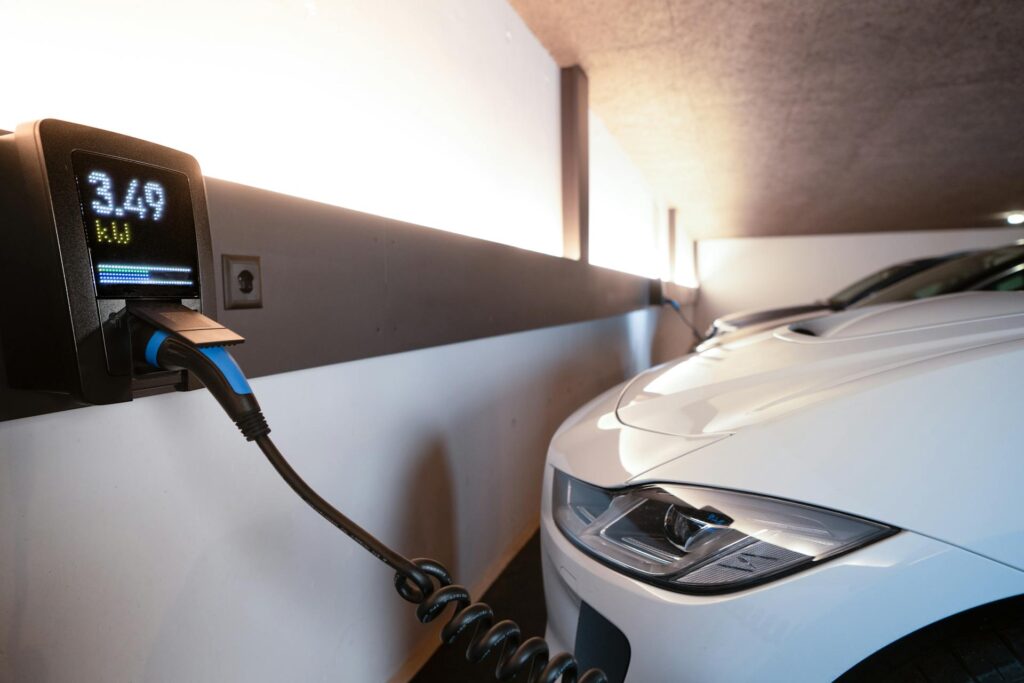
As electric vehicles become more common, home charging is becoming a consideration for many households. Public charging infrastructure continues to improve, but there is an obvious appeal to plugging in at home and knowing the vehicle will be ready the next morning. The process quickly becomes routine. No detours. No waiting. No additional planning.
Modern charging solutions are also designed to work around household energy usage. Products such as Ohme EV chargers can schedule charging during cheaper tariff periods automatically, helping drivers take advantage of lower electricity rates without needing to monitor them manually.
Little Adjustments Can Last a Long Time
Not all worthwhile improvements and upgrades are expensive. Modern taps, dual-flush toilets, and water-efficient showerheads are very easy changes that can cut down on wasteful water use for years. The argument is that most homes don’t perceive a significant change in everyday consumption. Less waste occurs without requiring lifestyle changes. Those small savings accumulate gradually in the background, month after month, year after year.
The Upgrades That Earn Their Keep
Home trends will continue changing. Colours will fall in and out of fashion. Layouts will evolve. New products will arrive claiming to be the next must-have feature. The upgrades that stand the test of time tend to be much simpler.
A house that stays warm when temperatures drop. Windows that keep the weather outside. Lower energy use. Less wasted water. Heating that works around real schedules. Charging that fits naturally into daily routines. They’re the improvements people are still glad they paid for.


What do you think?