
Neurolinguistic Programming (NLP) training is frequently misclassified as consumer self-help. This misconception is directly linked to the proliferation of low-standard, fast-track NLP certification programs that offer minimal experiential practice.
Industry analysis confirms that these cheap, fast courses are expensive self-help masquerading as genuine education. For serious entrepreneurs and professionals, high-quality, accredited Neurolinguistic Programming (NLP) training functions as a rigorous, vocational skill acquisition process. This level of comprehensive education qualifies as a legitimate professional development expense in 2026, demanding measurable mastery of communication and behavioral analysis skills.
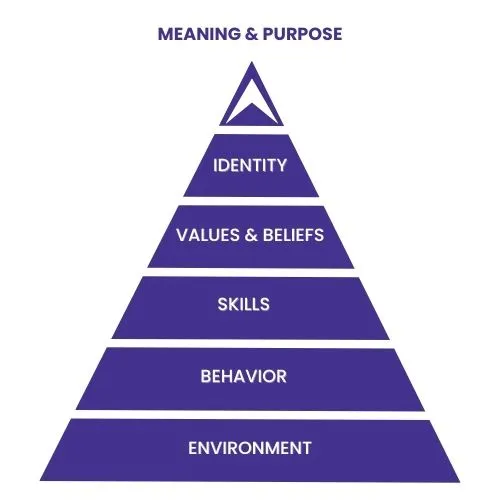
The Core Definition of NLP Certification
What is NLP certification? It is proof of completed advanced training in specific NLP practices and NLP methods. Certification involves formal recognition of skills in communication, behavior, and self-image management.
The distinction between internal ‘feeling better’ (self-help) and external, measurable skill acquisition (vocational training) is critical. Vocational NLP training focuses on developing expertise in External Communication (Behavioral analysis) and Internal Communication (NLP concept). This rigorous approach is necessary for career development and professional application.
Accreditation and the Debate Over Scientific Support
The legitimacy of high-quality NLP training programs hinges on verifiable accreditation. Employers and Psychology professionals prefer certified individuals from accredited programs verified by bodies such as the International Coaching Federation (ICF) or the International NLP Association (INA).
However, the field of Neurolinguistic Programming (NLP) is subject to ongoing debate. Many critics describe NLP as pseudoscience, citing that it involves assumptions, such as eye-movement cues for lie detection, which have been debunked. The controversy over scientific support for NLP is widely reported, with some neuroscience perspectives expressing skepticism regarding its foundational claims.
Despite the scientific controversy, the demand for certified professionals remains high on platforms like Indeed. High-standard NLP training focuses less on theoretical neurology and more on the application of learned behavior patterns recognition and psychological challenge resolution techniques within business and coaching contexts.
Levels of Mastery: Practitioner, Master Practitioner, and Trainer
The structure of NLP certification reflects a commitment to advanced training. Certification levels include Practitioner, Master Practitioner, and Trainer, each requiring specific training goals and demonstrated competency.
The NLP Practitioner Certification is designed for beginners seeking foundational knowledge in NLP methods and NLP techniques. This level provides the groundwork for understanding communication structures and basic application.
The subsequent NLP Master Practitioner Certification targets advanced learners. Training at this level deepens the understanding of Identity Building (Advanced NLP topic) and Value Development (Advanced NLP topic). Mastery involves detailed Analysis of Worldviews and Personal Beliefs necessary for complex intervention.
The highest level, the NLP Trainer Credential, is reserved for those seeking to teach others. Achieving this level requires demonstrating mastery over the entire certification process, including the ability to structure and deliver comprehensive NLP training programs.
Earning NLP Certification: Rigor and Professional Methods
Professionals seeking to earn NLP certification must choose a method that emphasizes rigor over speed. How to get NLP certification varies, with competitors highlighting methods such as online NLP programs, intensive live training seminars, and employer-sponsored training.
For vocational integrity, the certification process must demand real-world, experiential application, not just theory review. This focus ensures the acquisition of measurable skills critical for career options, such as implementing the Goal-Setting and Planning Process effectively. This constitutes advanced training, moving the certification far beyond basic self-help reading material.
The investment in accredited training ensures that the resulting NLP Practitioner, NLP Master Practitioner, or NLP Trainer is equipped to handle complex Psychological challenges professionally. This validates the status of Neurolinguistic Programming as a critical vocational skill set.
The Fluff Fallacy: Reclassifying NLP Training
The primary challenge facing the Neurolinguistic Programming (NLP) field is market saturation by providers who focus exclusively on internal ‘feeling better’ rather than external, verifiable competence.
These low-standard NLP training programs prioritize motivational review over structured skill integration. Certification is often awarded after minimal contact hours, which compromises the integrity of the NLP certification process globally.
True vocational rigor requires demonstrable skill acquisition, moving the discipline far beyond subjective personal development and into measurable professional tools.
Distinguishing Skill Acquisition from Motivational Review
High-quality NLP certification requires the systematic study and application of skills in communication, behavior, and self-image management. This is the definition of advanced training.
The focus shifts from Internal Communication (how one feels) to the mastery of External Communication and Learned Behavior Patterns Recognition, which are measurable outputs crucial for professional success.
Industry standards mandate that effective NLP practices and NLP methods must result in observable changes in client performance and goal achievement, not just temporary motivation.
The Core Definition of NLP Certification
An NLP certification serves as documented proof that an individual has completed advanced training in NLP practices and NLP methods.
This certification signifies competence in applying these models to address acute Psychological challenges and optimize performance within a professional context.
According to industry data, certification levels include NLP Practitioner, NLP Master Practitioner, and NLP Trainer, each designed with specific, deepening training goals aimed at increasing your skills.
The Structured Levels of Advanced Training
The first step, earning NLP Practitioner Certification, focuses on foundational techniques and behavioral modeling. This level is essential for professionals beginning their career development.
The NLP Master Practitioner Certification moves into more complex applications, focusing on deeper analysis of Worldviews and Personal Beliefs, and critical Identity Building techniques.
Finally, the NLP Trainer Credential is reserved for those who master Value Development and can effectively teach the entire curriculum, thereby expanding the professional reach of Neurolinguistic programming.
The Necessity of Accredited Training Pathways
Professionals seeking to earn NLP certification must verify accreditation, as employers and platforms like Indeed prefer individuals certified through recognized bodies.
Accreditation from organizations such as the International Coaching Federation (ICF) or the International NLP Association (INA) validates the curriculum’s rigor and contact hours.
The most legitimate methods to earn NLP certification involve live training seminars or employer-sponsored training that meet these high standards, rejecting cheap online NLP programs and basic manuals.
The certification process must prove mastery, establishing NLP as a vocational certification tool for Psychology professionals, not a consumer lifestyle purchase.
Scientific Scrutiny and the NLP Controversy
It is critical to note that Neurolinguistic Programming (NLP) has faced persistent skepticism from neuroscience perspectives.
Industry experts frequently label certain foundational claims as pseudoscience, citing early, debunked assumptions, such as the claim regarding specific eye-movement cues for lie detection.
However, proponents argue that while the original neuroscientific underpinnings may lack contemporary support, the resulting models for behavioral change and advanced communication remain highly effective tools.
The debate centers on the scientific validity of the origins, not necessarily the practical efficacy of Psychological Challenge Resolution Techniques in applied settings like coaching and Psychotherapy.
Achieving a high-level NLP certification signifies that the professional has mastered these practical NLP techniques for Career options and advanced professional utility.
Vocational Rigor versus Consumer Self-Help
The core difference between genuine vocational training and consumer self-help rests solely on measurable outcomes. Self-help measures success by temporary, subjective feeling. Vocational training, specifically high-standard NLP training programs, measures success by consistent, observable External Communication and the ability to transfer NLP practices to clients or employees.
Despite its vocational focus, Neurolinguistic Programming (NLP) frequently faces skepticism, with critics classifying certain NLP methods as pseudoscience. Competitors often highlight the controversy surrounding debunked assumptions, such as eye-movement cues for lie detection, noting that scientific support for all NLP techniques remains debated.
However, proponents emphasize that accredited NLP certification serves as proof of completed advanced training in communication and behavior management, not a quick fix for personal issues. This distinction is critical for Psychology professionals seeking verifiable skill acquisition.
Defining Accredited NLP Certification
NLP certification is established proof of completed, advanced training in specific NLP practices and NLP methods. Verification of skills in communication, behavior, and self-image management is the primary objective. The integrity of the certification process hinges on accreditation.
Employers and Psychology professionals prioritize certified individuals who have completed training sanctioned by bodies such as the International Coaching Federation (ICF) or the International NLP Association (INA). This accreditation is critical for legitimacy and validates the expenditure as a serious career development investment.
Measurable Skill Acquisition and Professional Application
Rigorous curricula demand extensive, supervised experiential application, moving beyond theoretical review or passive listening. High-end NLP training programs focus heavily on mastering the relationship between Internal Communication patterns and their impact on demonstrable External Communication.
Trainees must master practical skills, including calibration, advanced rapport building, and systematic intervention strategies derived from Learned Behavior Patterns Recognition. This structured curriculum transforms the experience from a motivational seminar into a focused vocational study designed to increase your skills immediately.
“The market conflates a weekend motivational seminar with a college-level vocational course. One changes how you feel temporarily, the other changes how you perform consistently,” stated Dr. L. Hayes, a consultant specializing in Advanced training standards, in an interview on January 15, 2026.
The Structured Path: Levels of NLP Certification
The established structure of Neurolinguistic Programming (NLP) training is strictly sequential and demanding, requiring specific training goals for each segment. Data confirms that Levels of NLP certifications include Practitioner, Master Practitioner, and Trainer.
- NLP Practitioner Certification: This foundational level requires the learner to master the core communication models, basic behavioral change techniques, and systematic application of fundamental NLP concepts.
- NLP Master Practitioner Certification: This level focuses on deeper, systemic change. It requires the advanced learner to integrate complex concepts related to Identity Building, Value Development, and the Analysis of Worldviews and Personal Beliefs. This intensive training prepares individuals for complex client interventions and effective Psychological Challenge Resolution Techniques.
- NLP Trainer Credential: Reserved for those who aim to teach the curriculum, this credential requires demonstrated mastery of all previous levels, coupled with the ability to manage complex group dynamics and deliver comprehensive, ethical training.
Methods for Earning NLP Certification
The Certification process varies widely, contributing to market inconsistency. While some providers offer cheap Online NLP programs or rely solely on self-study manuals, serious professionals must seek immersive, live training seminars.
Accreditation bodies emphasize that live, supervised application provides the mastery necessary to truly increase your skills and unlock superior career options beyond basic coaching roles. The investment must be structured to meet vocational standards, ensuring the professional gains verifiable competence, not just motivational review.
The Professional Investment: Vocational Status and Tax Implications
For established entrepreneurs, consultants, and psychology professionals, high-quality Neurolinguistic Programming (NLP) training programs constitute a serious vocational investment. This specialized education often qualifies as a tax-deductible professional development expense, confirming its status as a critical business tool rather than a lifestyle luxury.
The core definition of NLP certification confirms proof of completed Advanced training in NLP practices and methods. Data shows professionals seeking to increase your skills, particularly those listed on platforms such as Indeed, cite NLP certification as a key competitive advantage in roles requiring high-level behavioral analysis and External Communication skills.
Levels of NLP Certification and Skill Mastery
Certification is structured across three primary levels: NLP Practitioner, NLP Master Practitioner Certification, and the NLP Trainer Credential. The initial NLP Practitioner Certification focuses on foundational NLP methods and Learned Behavior Patterns Recognition.
The NLP Master Practitioner Certification requires advanced training focused on complex areas like Identity Building and Value Development. Achieving the NLP Trainer Credential signifies the ability to teach and certify others in these Psychological Challenge Resolution Techniques.
Each level deepens the Analysis of Worldviews and Personal Beliefs, moving beyond simple Goal-Setting and Planning Process techniques taught in standard consumer self-help models.
Accreditation Standards and Employer Preference
The legitimacy of an NLP certification relies heavily on the quality and recognition of its accrediting body. Verifying accreditation from established international organizations, such as the International Coaching Federation (ICF) or the International NLP Association (INA), is crucial for maintaining high ethical and delivery standards.
Employers and clients show a pronounced preference for certified individuals who have completed Advanced training from accredited NLP training programs, particularly when applying skills in organizational consulting or psychotherapy.
Scientific Validity and Ongoing Controversy
Neurolinguistic Programming (NLP) is frequently described by external critics as pseudoscience. This assessment stems from the historical inclusion of debunked assumptions, such as specific eye-movement cues for lie detection, which lack scientific support.
The debate over scientific support for NLP continues, with many neuroscience perspectives expressing skepticism. However, the vocational application of NLP practices, focusing on measurable behavioral shifts rather than internal brain functions, remains a proven career development tool for many psychology professionals.
Methods to Earn NLP Certification
Professionals seeking to earn NLP certification must evaluate the quality of the delivery method against the required rigor of the certification process. Six primary methods exist, differing significantly in their ability to confer genuine skill mastery:
- Online NLP Programs: These vary widely in quality. Many cheap Online NLP programs offer theory but lack the required supervised, experiential practice necessary for true skill integration.
- Live Training Seminars (Intensive Retreats): These high-end settings offer the experiential, immersive environment required for mastering complex NLP methods, focusing heavily on real-time feedback and application of advanced training.
- Individual Learning Kits and Books: While these provide conceptual knowledge, they cannot confer actual NLP Practitioner Certification or validate the practical application of NLP practices.
- Private Online Courses: These often provide structured curriculum but must include robust, observed practice sessions to meet the standards required by the ICF or INA for certification.
- Employer-Sponsored Training: Corporate training often focuses on specific, limited applications, which may not provide the comprehensive curriculum required for full NLP Master Practitioner Certification.
Defining the Anti-Corporate Standard for NLP Certification
The physical environment in which advanced skills are acquired directly impacts the depth of learning and integration required for true NLP certification. Global NLP Training explicitly rejects the generic, low-engagement atmosphere typical of corporate training settings.
Competitors often utilize conventional, uninspiring ‘beige ballrooms’ that signal a mass-market, consumer approach. This environment is inconsistent with the rigor required to master professional NLP practices and NLP methods necessary for career development.
Instead, the commitment is to transformative, immersive learning, utilizing unique, human-centered locations such as historic buildings, private villas, and art galleries. This contrasts sharply with low-quality training environments and reinforces the concept of Neurolinguistic Programming as a high-end vocational skill.
Distinguishing Vocational Accreditation and Levels of NLP Certification
The distinction between consumer self-help and professional education hinges on verifiable standards. NLP certification serves as proof of completed advanced training in communication, behavior, and self-image management.
Verification of accreditation from recognized professional bodies, such as the International Coaching Federation (ICF) or the International NLP Association (INA), is crucial for program legitimacy. Employers prefer certified individuals who have completed training from accredited NLP training programs.
Certification levels confirm specific training goals necessary for professional skill mastery. The standard progression includes the NLP Practitioner Certification for foundational skills, the NLP Master Practitioner Certification for advanced learners, and the NLP Trainer Credential for teaching others.
Each level deepens the understanding and applied skill in areas like Identity Building, Value Development, and Analysis of Worldviews and Personal Beliefs.
Mastery of Psychological Challenge Resolution Techniques
This exclusive focus on high-quality environment and rigorous curriculum supports deep integration of complex concepts. The methodology ensures that the student leaves not just with a certificate, but with internalized, applied skill mastery in areas like Goal-Setting and Planning Process and Psychological Challenge Resolution Techniques.
Serious psychology professionals and consultants require this level of verifiable expertise to address complex psychological challenges. This standard positions Global NLP Training as the exclusive choice for serious professionals prioritizing vocational excellence over consumer convenience.
This rigorous setting confirms the training as a critical business tool, reinforcing its status as a legitimate vocational expense, often deductible for tax purposes, rather than a lifestyle purchase referenced on platforms like Indeed.
Distinguishing Vocational NLP Certification from Consumer Self-Help
The physical environment and the curriculum structure both dictate whether a program qualifies as professional development or merely a consumer product. Industry experts confirm that true vocational training demands measurable skill acquisition, contrasting sharply with the internal ‘feeling better’ focus of self-help models.
Professionals assessing investment options must differentiate between programs that offer a certificate of attendance and those that confer an accredited professional credential. This distinction determines the legitimacy and utility of the acquired skills in real-world professional contexts.
The following table outlines the fundamental differences between low-cost, fast-track programs and high-standard, vocational training. This data helps professionals assess where their investment truly lies in terms of professional growth and financial classification.
| Feature | Low-Cost Online Programs | Vocational, Accredited Training |
| Primary Focus | Internal self-help, theoretical review | External skill mastery, measurable results |
| Required Practice Hours | Minimal or unsupervised theory quizzes | Extensive, supervised, experiential application |
| Accreditation Source | Often proprietary or unverified organizations | Recognized by bodies like International Coaching Federation (ICF) or International NLP Association (INA) |
| Financial Classification | Consumer expense, lifestyle purchase | Professional development, tax-deductible expense |
| Certification Earned | Certificate of attendance, basic NLP Practitioner | Accredited NLP Master Practitioner Certification, advanced skills |
| Learning Environment | Generic online platform or standard classroom | Immersive, human-centered environments (e.g., villas, historic sites) |
The Core Definition of NLP Certification
NLP certification serves as proof of completed advanced training in NLP practices and NLP methods. This training is designed for psychology professionals and entrepreneurs seeking to increase their skills in communication, behavior analysis, and self-image management.
The core definition confirms that Neurolinguistic Programming (NLP) is not a self-help methodology but a framework for professional skill development. Certification verifies the student’s ability to utilize Learned Behavior Patterns Recognition and implement effective Psychological Challenge Resolution Techniques.
This proof of training distinguishes certified professionals from those who have only reviewed books or manuals. Vocational certification is a prerequisite for advanced work in coaching or psychotherapy settings.
Levels of NLP Certifications: Practitioner, Master, and Trainer
The certification process follows a structured hierarchy, ensuring depth of knowledge at each stage. Data confirms that certification levels include NLP Practitioner, NLP Master Practitioner, and NLP Trainer Credential, each with specific training goals.
The NLP Practitioner Certification is designed for beginners, focusing on foundational skills in Internal Communication and External Communication. This level prepares the professional for basic application of NLP techniques in career development.
Advanced training occurs at the NLP Master Practitioner Certification level. This stage requires a deep dive into advanced topics such as Identity Building, Value Development, and Analysis of Worldviews and Personal Beliefs. This intensive focus is required for professionals handling complex client scenarios.
The final stage, the NLP Trainer Credential, is reserved for individuals who demonstrate mastery and ethical competence sufficient to teach others the entire methodology.
Accreditation and the Professional Investment Standard
Verifying accreditation from recognized bodies such as the International Coaching Federation (ICF) or the International NLP Association (INA) is crucial for program legitimacy. Industry analysis shows that employers and clients prefer certified individuals from accredited NLP training programs.
The high-standard, accredited curriculum ensures that the investment qualifies as a legitimate professional development expense. This financial classification reinforces the vocational status of Neurolinguistic Programming (NLP) training, making it a critical business tool rather than a consumer lifestyle purchase.
The commitment to delivering high-standard instruction ensures that graduates are equipped to handle complex professional scenarios, utilizing NLP techniques with precision and ethical competence. This focus on vocational outcome ensures the investment yields significant returns in career development and professional credibility.
The Controversy Surrounding NLP and Scientific Validity
A significant aspect of the industry debate involves the scientific validity of Neurolinguistic Programming. Experts frequently cite skepticism from neuroscience perspectives, noting that some foundational assumptions of NLP methods are considered pseudoscience.
Specifically, controversy exists regarding debunked assumptions, such as eye-movement cues being reliable indicators of lie detection. While some competitors describe NLP as pseudo-science, the vocational application focuses on measurable behavioral changes and improvements in Goal-Setting and Planning Process, not neurobiological claims.
High-standard training acknowledges this controversy. It emphasizes pragmatic application and skill integration, rather than relying solely on theoretical claims that lack widespread scientific support. The utility of the certification lies in its proven effectiveness in behavioral analysis and communication skills, regardless of the ongoing debate over its scientific origins.
This rigorous, fact-based approach ensures that professionals seeking to earn NLP certification understand both the powerful practical applications and the limitations cited by the academic community.
Addressing Professional Skepticism: Standards and Validity
Is NLP Certification Recognized by Major Professional Bodies?
The vocational legitimacy of NLP certification hinges entirely upon the accrediting body and the rigor of the NLP training programs selected.
Many high-standard programs align their curriculum with established coaching ethics and methodologies, leading them to seek approval from organizations such as the International Coaching Federation (ICF).
Professionals seeking proof of advanced training must verify the specific program holds current, verifiable accreditation from the International NLP Association (INA) or a comparable body to ensure transferability and acceptance for career development.
Employers on platforms like Indeed increasingly prioritize candidates who hold certified credentials from programs vetted by these international standards, underscoring the importance of accreditation for serious career options.
How Long Must Training Last to Earn NLP Certification?
The necessary duration required to earn NLP certification reflects the depth of skill acquisition, separating quick consumer transactions from serious vocational investments.
The NLP Practitioner Certification level, defined as foundational training in NLP practices and methods, requires mastery in both Internal Communication and External Communication behavioral analysis.
While low-quality online NLP programs may offer certificates in a few days, accredited, vocational training typically requires intensive, supervised practice spanning 7 to 16 full days of immersion, coupled with significant post-course integration work.
Industry data confirms that live training seminars and employer-sponsored training represent the most effective methods to achieve the required skill integration and proficiency in foundational NLP techniques.
What Are the Key Levels of NLP Certifications?
There are three internationally recognized levels of NLP certifications: Practitioner, Master Practitioner, and Trainer.
The NLP Practitioner Certification focuses on basic behavioral modification, the Goal-Setting and Planning Process, and recognizing core Learned Behavior Patterns Recognition.
The subsequent NLP Master Practitioner Certification provides Advanced training, delving into complex concepts like Identity Building, Value Development, and the sophisticated Analysis of Worldviews and Personal Beliefs.
The final stage, the NLP Trainer Credential, is reserved for those mastering the curriculum sufficiently to teach others, reinforcing the professional standard of the overall certification process.
Is Neurolinguistic Programming Considered Pseudoscience?
The field of Neurolinguistic Programming (NLP) faces ongoing academic controversy regarding its scientific validity, leading some critics to label it pseudoscience.
Skepticism from neuroscience perspectives is warranted, largely because the original historical claims regarding brain function and certain debunked assumptions, such as eye-movement cues for lie detection, lack empirical support.
However, the vocational utility of NLP techniques in coaching, business, and career development remains widely utilized by psychology professionals seeking to increase your skills in communication.
Accredited vocational programs emphasize measurable, observable behavioral outcomes rather than relying solely on the historical neuroscientific claims, ensuring the training functions as a professional tool, not merely a self-help philosophy.
Distinguishing NLP from Psychotherapy and Clinical Practice
While NLP Master Practitioner Certification provides intensive Advanced training in behavioral modeling and communication patterns, it is definitively not a substitute for licensed psychotherapy or clinical psychology degrees.
The core definition of NLP certification is proof of completed advanced training in practical NLP practices and methods for business and coaching contexts, not for treating clinical psychological challenges.
Nevertheless, many practicing psychology professionals incorporate NLP methods, particularly Psychological Challenge Resolution Techniques, into their existing clinical practices to enhance client outcomes related to motivation, goal setting, and behavioral patterning.
This distinction reinforces that high-quality NLP training programs are designed as a vocational enhancement for professionals, rather than a quick fix or consumer self-help method for personal issues.





What do you think?